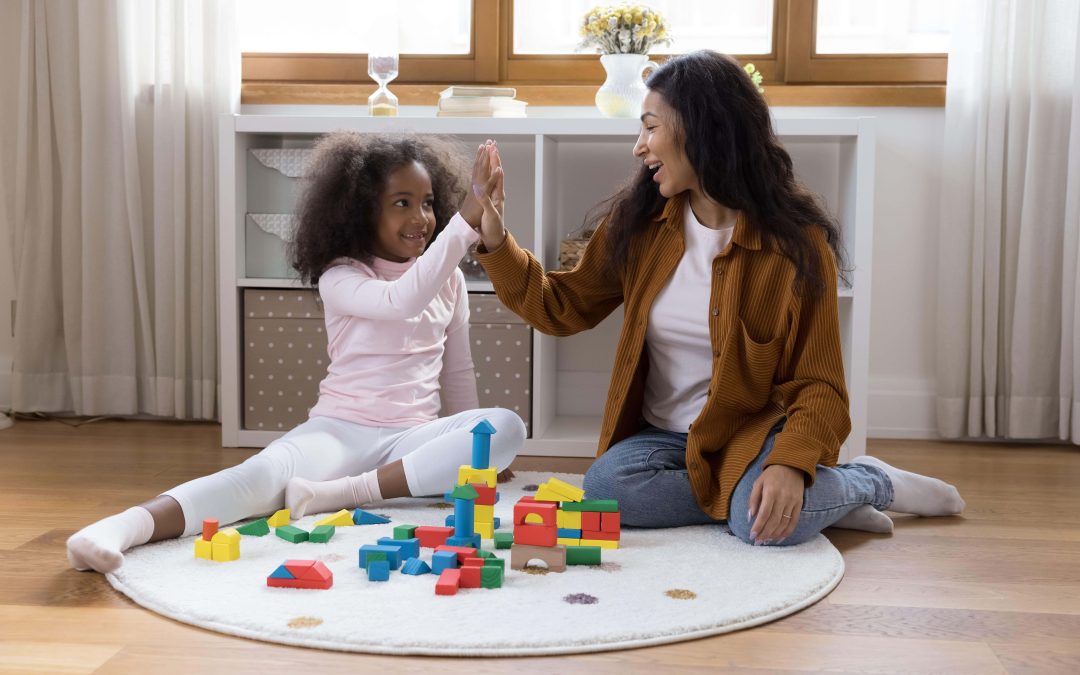
Our counseling team shares tips for helping children and teens develop confidence and how parents can encourage a healthy sense of self-worth.
Building Healthy Self-Esteem in Children and Teens: Helping Your Child See Their Worth
“I’m not good enough.” “Nobody likes me.” “I’m bad at everything.”
Every child and teenager experiences moments of self-doubt. A child may say, “I’m not good at anything,” avoid trying something new because they are afraid of failing, or compare themselves to their peers. While occasional self-doubt is a normal part of growing up, ongoing negative self-perceptions can affect a young person’s relationships, school performance, emotional well-being, and willingness to try new things.
Self-esteem develops over time through a child’s experiences, relationships, and the way they learn to view themselves. Parents play an important role in helping children recognize that their worth is not determined by their grades, appearance, accomplishments, friendships, or mistakes.
Healthy self-esteem does not mean that a child thinks they are perfect or believes they are better than everyone else. Instead, it means they can recognize both their strengths and areas for growth while still maintaining a sense of self-worth.
A child with healthy self-esteem may be able to say:
- “I’m not good at this yet, but I can keep practicing.”
- “I made a mistake, but that doesn’t mean I’m a bad person.”
- “I’m different from my friends, and that’s okay.”
- “I don’t have to be the best at everything to be valuable.”
- “I can be proud of myself even when something doesn’t go perfectly.”
Children and teens develop their understanding of themselves through many different experiences. Their self-esteem can be influenced by:
- Relationships with parents, caregivers, siblings, teachers, and peers
- Academic or athletic performance
- Experiences with success and failure
- Bullying or peer rejection
- Social media and comparisons with others
- Changes in family or school environments
- Negative self-talk
- Unrealistic expectations or perfectionism
- Feeling different from peers
- Neurodevelopmental or learning differences
- Difficulty regulating emotions or managing frustration
Signs Your Child May Be Struggling With Self-Esteem
Self-esteem difficulties can look different depending on a child’s age and personality. Some children may openly express negative beliefs about themselves, while others may show their struggles through their behavior.
Some signs may include:
- Frequently saying things such as “I’m stupid,” “I’m bad at everything,” or “I can’t do it”
- Avoiding activities because they are afraid of failing
- Becoming extremely upset when they make mistakes
- Comparing themselves negatively to others
- Difficulty accepting compliments
- Perfectionistic behavior
- Giving up quickly when something is challenging
- Seeking frequent reassurance
- Difficulty making decisions independently
- Withdrawing socially
- Becoming overly concerned about what others think
- Difficulty identifying their strengths or positive qualities
Three Ways Parents Can Help Build Self-Esteem and Confidence
1. Praise Effort, Not Just Outcomes
Children benefit from knowing that their worth is not dependent on being the best, getting the highest grade, or winning.
Instead of focusing only on the outcome, recognize the effort and strategies they used.
For example:
Instead of: “You’re so smart!”
Try: “You worked really hard on that, and you didn’t give up when it became difficult.”
This helps children learn that persistence, effort, and problem-solving are valuable—even when things don’t go perfectly.
2. Allow Children to Make Mistakes
Mistakes are an important part of learning. If children become afraid of making mistakes, they may begin avoiding challenges altogether.
When your child makes a mistake, help them view it as an opportunity to learn rather than evidence that they are incapable.
You might say: “Making a mistake doesn’t mean you can’t do it. It means you’re still learning.”
Parents do not have to immediately fix every problem. Allowing children appropriate opportunities to struggle, problem-solve, and try again can help build confidence.
3. Give Children Opportunities to Make Choices
Age-appropriate choices allow children to develop independence and trust in their own abilities.
For younger children, this might mean choosing between two outfits or deciding which activity to do first.
For teenagers, it may involve allowing them to make decisions about hobbies, schedules, friendships, or other areas where they can safely practice independence.
When appropriate, allow them to experience the natural consequences of their choices while remaining available for support.
What About Teenagers?
Building self-esteem during adolescence can be particularly challenging. Teenagers are navigating changing friendships, increased academic expectations, developing independence, and greater awareness of how they compare to others.
Social media can also contribute to comparison and unrealistic expectations about appearance, popularity, success, and lifestyle.
Parents can support teens by creating opportunities for open conversations without immediately trying to solve the problem.
Instead of: “You shouldn’t care what other people think.”
Try: “It sounds like what happened really affected you. Do you want to tell me more about it?”
Sometimes feeling heard and understood is the first step toward helping a teenager develop a healthier perspective.
When Should Parents Consider Counseling?
Some children and teens may need additional support when self-esteem difficulties begin interfering with their daily lives, relationships, school, or emotional well-being.
Counseling can provide children and teens with a supportive environment where they can explore how they view themselves, identify strengths, develop coping skills, challenge negative self-talk, improve emotional regulation, and practice healthier ways of responding to setbacks.
For younger children, counseling may incorporate age-appropriate activities such as play, art, games, or other hands-on approaches. For teens, counseling may involve conversation, skill-building activities, cognitive-behavioral strategies, and opportunities to explore identity, relationships, emotions, and personal goals.
Every child has strengths, areas for growth, and the ability to learn. With encouragement, supportive relationships, and opportunities to develop their skills, children and teens can build a stronger and more compassionate relationship with themselves. If your child is struggling with self-esteem, confidence, or negative self-talk, counseling can provide additional support and help them develop skills to navigate these challenges.